Vital Steps Before Taking An STD 7 Test
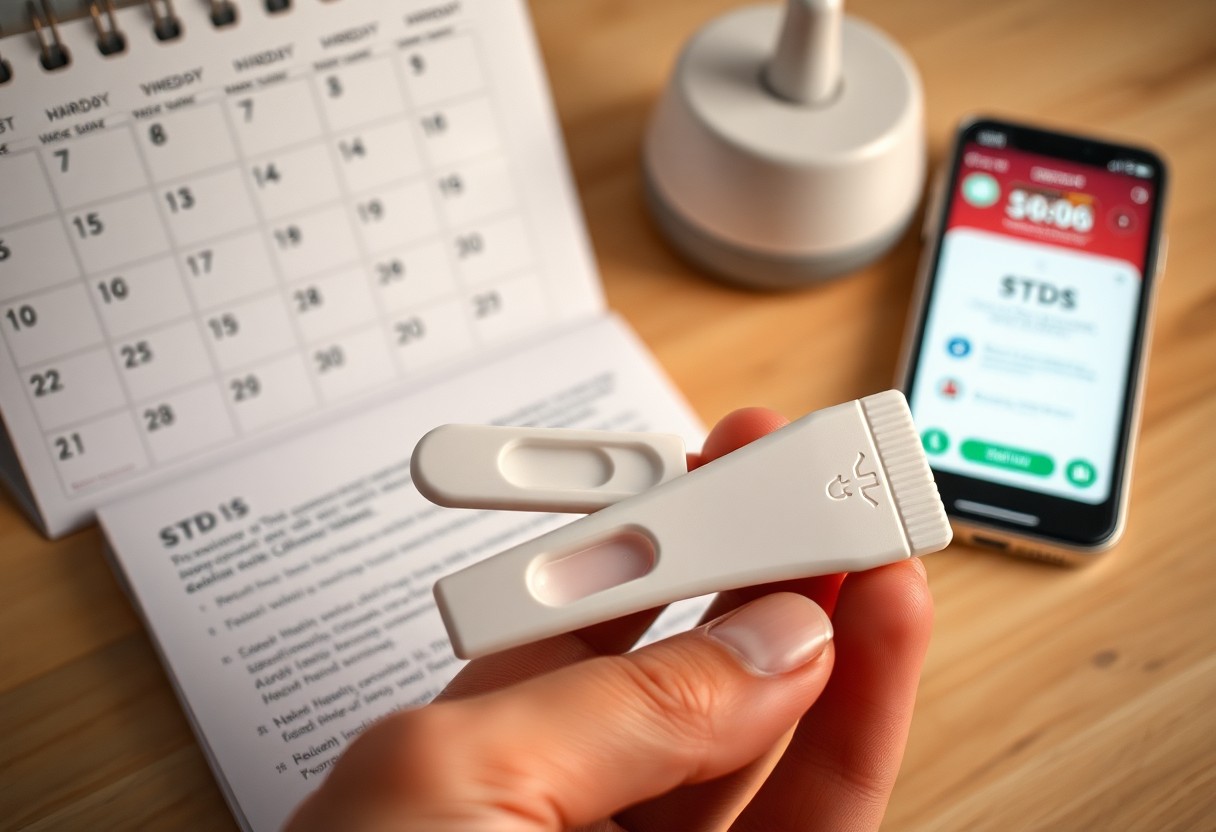
Vital Steps Before Taking An STD 7 Test
There's important preparation for you to consider before undergoing an STD 7 test. Understanding the type of test and the timing can significantly influence your results. It’s vital to be aware of the symptoms you may be experiencing and to avoid certain activities that could impact the accuracy of your test. Additionally, familiarizing yourself with available resources can enhance your overall experience and peace of mind. Preparing correctly ensures you receive the most accurate results and the necessary follow-up.
Key Takeaways:
- Review the curriculum and assessment format for the STD 7 test.
- Establish a study schedule that allocates time for each subject area.
- Gather necessary resources, including textbooks and practice materials.
- Practice past exam papers to familiarize yourself with question types.
- Ensure adequate rest and nutrition leading up to the test day.
Gauging Your Risk Factors: Are You in the Zone?
- Understanding your risk factors for STDs
- Identifying high-risk behaviors
- Evaluating your sexual history and partners
Identifying High-Risk Behavior
Engaging in certain behaviors can elevate your risk of contracting STDs. Having multiple sexual partners or not using protection during intercourse are significant indicators of potential exposure. Additionally, substance use prior to sexual activity often leads to poor decision-making regarding safe sex practices. Addressing these behaviors is vital for your sexual health.Assessing Your Sexual History and Partners
Your sexual history plays a vital role in understanding your health risks. Each partner you’ve had might contribute differently to your risk level based on their sexual history and practices. Consider how many partners you've had over the past year, their sexual health status, and whether you practiced safe sex with them. Evaluating your sexual history involves reflecting on past relationships and any high-risk encounters. For instance, if you've had a partner who tested positive for an STD or if you've engaged in unprotected sex, it's crucial to acknowledge these points. Gathering this information can help you assess your current risk level and determine the urgency for testing. Having open conversations with all your partners about sexual health enhances safety and personal awareness.Understanding the Importance of Timing: When to Test
Testing for STDs at the right moment can significantly impact the accuracy of your results and your overall health outcomes. Different STDs have varying incubation periods, making it crucial to time your test appropriately. Testing too early might lead to false negatives, while testing at the right time provides a clearer picture of your sexual health, allowing for timely treatments if necessary.
The Window Period: Myths and Facts
The window period is the time between exposure to an STD and the point when a test can reliably detect it. Many believe that testing immediately after exposure will yield accurate results, but this is a common myth. For instance, HIV can take up to 90 days to become detectable, while other infections like gonorrhea may show up in just a few days. Understanding these timelines is vital for making informed decisions.
Timing Your Test for Accurate Results
Planning your STD test involves knowing the specific window periods for various infections. For example, if you suspect exposure to chlamydia, testing should ideally occur one to two weeks after the encounter. Conversely, for HIV testing, experts recommend waiting at least three months post-exposure for conclusive results. By aligning your test with these timelines, you enhance the likelihood of receiving accurate outcomes, leading to better management of your sexual health.
To further ensure accurate results, consider scheduling your test after consulting with a healthcare provider. They can offer personalized advice based on your sexual history and exposure risks. Also, take note of any symptoms that may arise, as these could affect the timing of your test and help guide your healthcare provider's recommendations. Ultimately, understanding these details will empower you to approach your sexual health proactively, leading to informed decisions and timely interventions.
Preparing for the Test: What You Need to Know
Preparation for the STD 7 test encompasses both academic and personal readiness. You should familiarize yourself with the test format, review the related subject matter, and gather any necessary materials. Creating a structured study schedule helps allocate time for thorough review. Additionally, ensure you address any emotional or psychological readiness by discussing concerns with trusted sources, whether that includes educators or peers who are also preparing for the test.
Pre-Test Consultations: Questions to Ask
Prior to the test, engage in pre-test consultations to clarify your apprehensions and gather vital information. Ask your instructor about specific test areas that require more focus, along with any recommended study resources or strategies. Inquire about the policies concerning retakes, the grading system, and how the test results will impact your academic progression. Such discussions will empower you with knowledge and confidence.
Understanding the Testing Process: What to Expect
The testing process for the STD 7 exam involves a structured approach to assessment that you can anticipate. You’ll encounter various types of questions across multiple subjects, typically featuring both theoretical and practical components. Familiarize yourself with the format and timing of the test to manage your time effectively. Arriving adequately prepared on the day of the exam can significantly alleviate anxiety and enhance your performance.
During the STD 7 test, expect a combination of multiple-choice questions, short answers, and practical tasks designed to evaluate your comprehension and skills. Each section is timed, contributing to the overall challenge of the exam. Familiarity with these formats will allow you to practice effectively, enhancing both your time management skills and your ability to respond accurately under pressure. Understanding the logistics of the test day, such as arrival times and required identification, will also ensure you are fully prepared to tackle the assessments confidently.
Choosing the Right Facility: Where to Go for the Best Care
Finding a reputable facility for your STD 7 test is vital for ensuring accurate results and quality care. Look for centers that prioritize confidentiality, have experienced healthcare providers, and offer a welcoming environment. Consider facilities affiliated with respected healthcare organizations, as they typically adhere to high standards of care. Checking patient reviews online can also give you insights into the facility's effectiveness and patient satisfaction.
Evaluating Testing Centers: Quality and Reputation
Your choice of testing center significantly impacts the quality of care you receive. Research facilities by examining their accreditation, staff qualifications, and the range of services they provide. Look for centers that are known for their strict hygiene practices and patient-focused care. Recommendations from trusted healthcare professionals or individuals with experience can also guide you toward facilities with a strong reputation.
Telehealth vs. In-Person: Weighing Your Options
Consider both telehealth and in-person testing options based on your circumstances and comfort level. Telehealth can be a convenient choice if you prefer privacy or have mobility issues, allowing you to consult with a healthcare provider from home. In-person visits might yield more comprehensive assessments, especially if physical examinations or immediate follow-up care is needed.
Telehealth services have surged in popularity, providing an accessible alternative to traditional visits. Many facilities now equip providers with digital tools to gather important health information remotely, making the process efficient. For instance, online platforms often facilitate quick communication and results delivery, significantly reducing waiting times. Yet, receiving the test results in a clinical setting can offer immediate support and resources if necessary. Ultimately, the decision should align with your personal health needs and preferences, balancing convenience with comprehensive care.
Interpreting Your Results: What Comes Next?
Once you receive your STD 7 test results, understanding their implications is vital for your health and well-being. Positive results may indicate the presence of an infection, while negative results suggest that no infection was detected at the time of testing. Keep in mind that some STDs can remain undetected shortly after exposure, leading to the need for possible retesting. Knowing how to interpret these outcomes will guide your next steps effectively.
Understanding Different Test Outcomes
A positive test result doesn't automatically mean severe illness; many STDs are treatable and manageable with timely intervention. Conversely, a negative result does not exclude the possibility of an infection if you've had exposure recently. Timing and testing methods can affect outcomes, necessitating follow-up consultations to confirm your health status.
Action Steps Following Your Results: Treatment and Disclosure
After interpreting your STD 7 test results, taking appropriate action is vital. If results are positive, consult a healthcare provider to discuss treatment options. Share your results with any sexual partners to ensure their health is monitored as well. In cases of a negative outcome but persistent symptoms, additional testing may be warranted to rule out false negatives.
Dealing with your results involves specific steps to ensure your health and that of partners. If treatment is necessary, follow the prescribed regimen rigorously to avoid complications. Openly communicating your status with partners fosters trust and encourages them to get tested, enhancing mutual protection. Utilize support groups or counseling if facing emotional challenges related to your diagnosis, as these resources can help navigate the complexities of relationships and health management.
To wrap up
On the whole, taking an STD 7 test requires careful preparation to ensure accurate results and your peace of mind. Prior to testing, you should assess your risk factors, gather necessary medical history, and understand the testing process and potential outcomes. Staying informed about the timing of the test relative to any potential exposure is necessary for reliable results. By taking these vital steps, you empower yourself to make informed decisions about your sexual health.
FAQ
Q: What is an STD 7 test?
A: An STD 7 test screens for seven common sexually transmitted diseases, including HIV, syphilis, gonorrhea, and chlamydia.
Q: Why is it important to prepare before taking the STD 7 test?
A: Preparation can ensure accurate results, reduce anxiety, and provide a better understanding of the process and what to expect.
Q: Should I avoid sexual activity before taking the test?
A: It is advisable to abstain from sexual activity for at least 48 hours prior to the test to prevent skewed results.
Q: Do I need to fast before the STD 7 test?
A: Fasting is not typically required for the STD 7 test, but staying hydrated is recommended.
Q: What information should I bring to the appointment?
A: Bring identification, health insurance information if applicable, and a list of any medications you are currently taking.